
Accident and Injury Scene Cleanup
In public spaces, homes and workplaces, injury and accident scene cleanup addresses the area.
See accident and injury scene cleanupGet blood, bodily fluids, contaminated materials and odor addressed after an accident, injury or violent event in Lowell. Trauma scene cleanup begins after officials release the property.

Trauma scene cleanup is professional biohazard cleanup after an accident, serious injury or violent event leaves blood, bodily fluids or other hazardous materials in a home, vehicle, workplace or public building.
Law enforcement must finish its duties, as must emergency response personnel, before the scene is released and work starts. Technicians then locate affected spaces and establish boundaries. Materials that cannot be disinfected are removed, while surfaces that remain are cleaned. Trauma cleaning, biohazard remediation and trauma scene cleaning are other names for this process.
Professional cleanup is different from ordinary cleaning services. Blood can enter seams, carpet pad, subfloor, unfinished wood and wall cavities. The cleanup process follows that path instead of treating only the marks left behind. Odor removal, air quality work, hazardous waste packing and records for an insurance company may also be part of the entire process.
Every situation has a different scope. Crew members can describe each step of trauma cleanup, and personal property is protected when possible. Later restoration, including flooring or drywall replacement, remains separate.
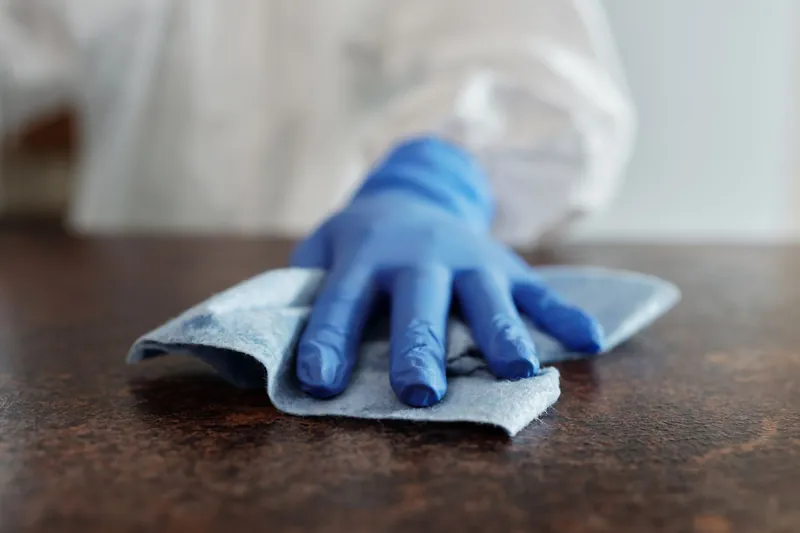
When safe recovery or cleaning is possible, meaningful possessions are set aside and reviewed with you.
The team explains affected areas, belongings that may stay, materials that must go and circumstances that can shift the scope ahead of cleanup.
During a difficult time, crews use unmarked vehicles and maintain control of the affected area to respect your privacy.
Photos, the work scope and available disposal records can support discussions with insurance companies, landlords and property managers.
Trauma cleaning services are appropriate when an event leaves a biological hazard that ordinary household cleaning cannot fully reach. Common situations include:
Hotels, shops, workplaces and rental units can require waste disposal, records for claims and controlled scene cleaning ahead of restoration.
A violent crime or assault can affect many surfaces, with evidence residue left after law enforcement releases the property.
A vehicle accident or injury can push bodily fluids and blood into seating foam, carpeting, ventilation passages and door seams.
A fall, machinery injury or other accident can leave blood across hard surfaces and inside cracks, textiles or equipment.
Protecting people comes first. You also need to preserve any investigation still underway and limit the spread of contamination. Take the following steps before trauma cleaners enter:
Call (888) 440-9227Costs in published trauma cleanup guides span a broad range, reflecting the difference between a small affected spot and structural materials or multiple rooms. For trauma scene cleanup, a cost guide published by a biohazard cleanup company gives $2,500 to $7,500. The trauma and accident cleanup range from PushLeads is $1,500 to $5,000; the broadest span is in the Afterhazard pricing guide at $500 to $8,000. Only an assessment of the site can establish its actual scope.
These ranges come from published national cost guides, not from a site visit. The price for your property is set after the on-site assessment, and you hear it before work starts.
Ask about cost: (888) 440-9227Homeowners, renters or commercial property insurance may cover trauma scene cleanup when the event qualifies under the policy, but coverage, deductibles and documentation requirements vary.
Business owners and property managers can file the loss under the relevant property policy, then confirm which invoices, photos and scope documents are required.
For the specific event, check whether biohazard cleanup and restoration are covered, and ask the insurance company about contaminated material removal and personal property.
Victims of violent crime can ask the North Carolina Department of Public Safety's Office of Victim Compensation Services about crime scene cleanup, which the program lists among accepted expenses. Insurance is usually checked first.
The lease, location of the event and insurance policies can affect who arranges payment. Check with both the owner and insurance company prior to authorizing non-urgent restoration.
The trauma scene cleaning process moves from assessment to source removal, disinfection and final documentation. The exact scope changes with the event, materials and number of affected areas.
Officials retain control of undisturbed items while cleanup technicians find visible or suspected contamination, note the materials present and mark the work area.
Movement into surrounding areas is limited through barriers and controlled paths. The hazards determine which personal protective equipment cleanup technicians wear.
Salvageable items are kept apart from contaminated materials. You are consulted about sentimental items ahead of removal whenever the situation allows.
When complete disinfection is impossible after bodily fluids enter absorbent materials, affected drywall, carpeting, padding, unfinished wood or upholstery must be taken out.
An EPA-registered disinfectant is used on the cleaned surfaces and allowed to work for all of the contact time specified by its label. Cleaning first helps the disinfectant reach the surface.
Applicable local waste rules guide how contaminated debris and cleanup materials are packaged, marked and taken away for disposal.
If odor or particles remain after removing the source, the work area may receive HEPA filtration along with other odor treatments.
The finished scope, photos and available waste records can be organized for property owners, insurance companies or property managers.

Call at any time. Your trauma scene cleanup specialist answers the phone, describes what happens next and works with you on a start time.
The health risks at a trauma scene can be serious since contamination in porous materials, sharp objects and bloodborne pathogens may be out of sight.
Having to clean where a loved one was hurt or died can deepen emotional strain. You may choose professional cleanup so family members do not have to do the work.
Bodily fluids can move under baseboards, through carpet into padding and subfloor, or behind damaged finishes. Wiping the visible surface may leave contamination in place.
Removed porous materials, used protective equipment and cleanup supplies may need controlled packaging and disposal under the rules that apply to biohazard waste.
Can you clean it yourself? You can clean a very small amount of blood from a hard surface without pores by wearing disposable gloves and following the full contact time for an EPA-registered disinfectant. Use professional trauma cleanup if you cannot define the affected boundary, blood covers more than a small area, the surface is porous or sharp objects are involved.
Non-porous items can sometimes stay if all affected surfaces are accessible for disinfection. When blood or bodily fluids soak beneath the surface of a porous item, removal may be necessary.
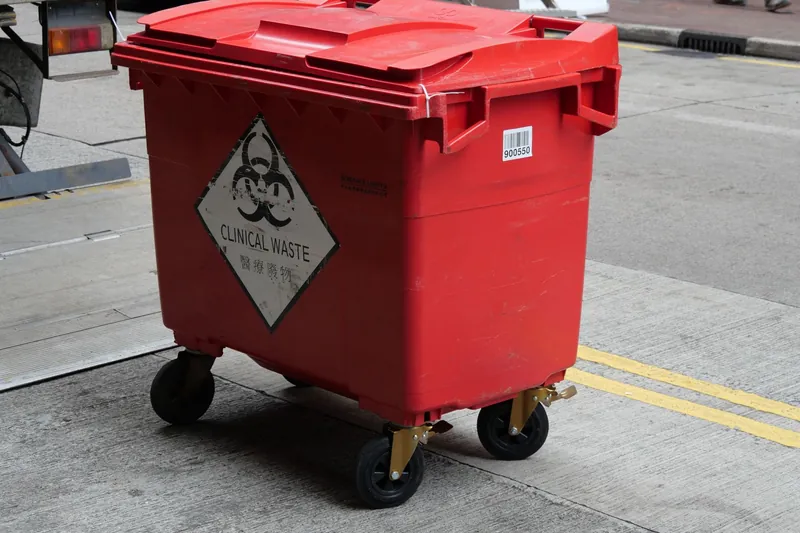
For workers who could contact blood, the OSHA Bloodborne Pathogens Standard, 29 CFR 1910.1030, establishes training requirements and related practices, including protective equipment and exposure controls.
Choose an EPA-registered disinfectant for the intended application and keep the surface wet throughout the contact time printed on the label.
North Carolina treats soaked materials from a biohazard scene as medical waste. Rules from the state Department of Environmental Quality's Solid Waste Section control how it is packaged, stored, transported and treated, so it cannot go in household trash.
North Carolina uses a statewide medical examiner system run by the Office of the Chief Medical Examiner, with county medical examiners appointed in each county. Cleanup starts after police or the medical examiner or coroner release the scene.
The time needed depends on the size of the affected area, the materials involved, waste removal and odor conditions. An assessment is needed before a reliable schedule can be set.
The full trauma scene cleanup guide covers what is cleaned or removed, odor and air quality work, and the rules that apply in North Carolina and Gaston County.
Read the full trauma scene cleanup guideLocal housing, population and access details can shape containment, access and cleanup planning.
Only 26.9% of homes in Lowell are renter occupied, so many cleanup decisions may rest directly with resident owners.
Homes with a median construction year of 1974 may contain layered renovations that hide affected materials beneath newer finishes.
With 30.1% of seniors living alone, an unattended illness or death may go unnoticed, increasing the area affected by fluids and odor.
With 90.4% single-family housing, crews may need to inspect basements, crawl spaces, garages, and other areas unique to detached homes.
During your call, ask whether cleanup is available in surrounding communities and ZIP codes.
In public spaces, homes and workplaces, injury and accident scene cleanup addresses the area.
See accident and injury scene cleanup
Carpet, solid floors, walls and furnishings receive blood cleanup that includes safe disposal.
See blood cleanup
Bodily fluid cleanup and disinfection for homes, care settings and businesses.
See bodily fluid cleanup
After police release the property, crime scene cleaning addresses blood and odor.
See crime scene cleanup
Careful, private suicide cleanup keeps family members from having to confront the scene.
See suicide cleanup
Once the investigation ends, contaminated materials, blood and tissue are cleared during homicide cleanup.
See homicide cleanup
Cleaning a home after someone dies, including fluids, odor and affected belongings.
See death cleanup
Contamination is cleared through biological remediation, returning the space to safe use.
See biohazard remediationPublished guides show broad variation. A biohazard cleanup company cost guide lists trauma scene cleanup at $2,500 to $7,500, while the Afterhazard pricing guide publishes a $500 to $8,000 span. Your specific scope depends on blood quantity, affected materials, room count, waste disposal and any odor work.
Although you may need to allow entry, point out meaningful items and approve the scope, you usually are not required to observe the cleaning process. Before leaving, ask who can approve decisions and how progress will be communicated. Do not enter containment, and keep visitors, employees, pets and children away.
A dry appearance cannot confirm that blood is safe. Hepatitis B can live for at least seven days on a surface, the CDC says. Avoid touching or sweeping dried blood, keep others away and use proper protective gear, cleaning steps and an EPA-registered disinfectant suited to the surface.
Cleanup begins by assessing the scene and containing the work area. Technicians use protective equipment while removing non-cleanable materials, cleaning soil from retained surfaces, applying an EPA-registered disinfectant for the entire contact time and addressing source odors. Contaminated waste is packaged for disposal, then the completed scope can be documented.
Local procedures place removal arrangements with an authorized party such as the coroner or medical examiner. That task is not performed by trauma cleaners. Cleanup technicians begin scene cleanup following official release. They disinfect reachable surfaces, remove bodily fluids, blood and materials that cannot be cleaned, then regulated waste disposal is arranged.
A homeowners policy may cover trauma cleanup when the underlying event qualifies under its terms. Coverage does not apply automatically to all losses. Tell the insurance company what happened, ask about biohazard cleanup and restoration, and confirm the deductible plus required records before work starts when possible.
Crews carry out respectful, discreet trauma scene cleanup, arrive in unmarked vehicles and take calls 24 hours a day.